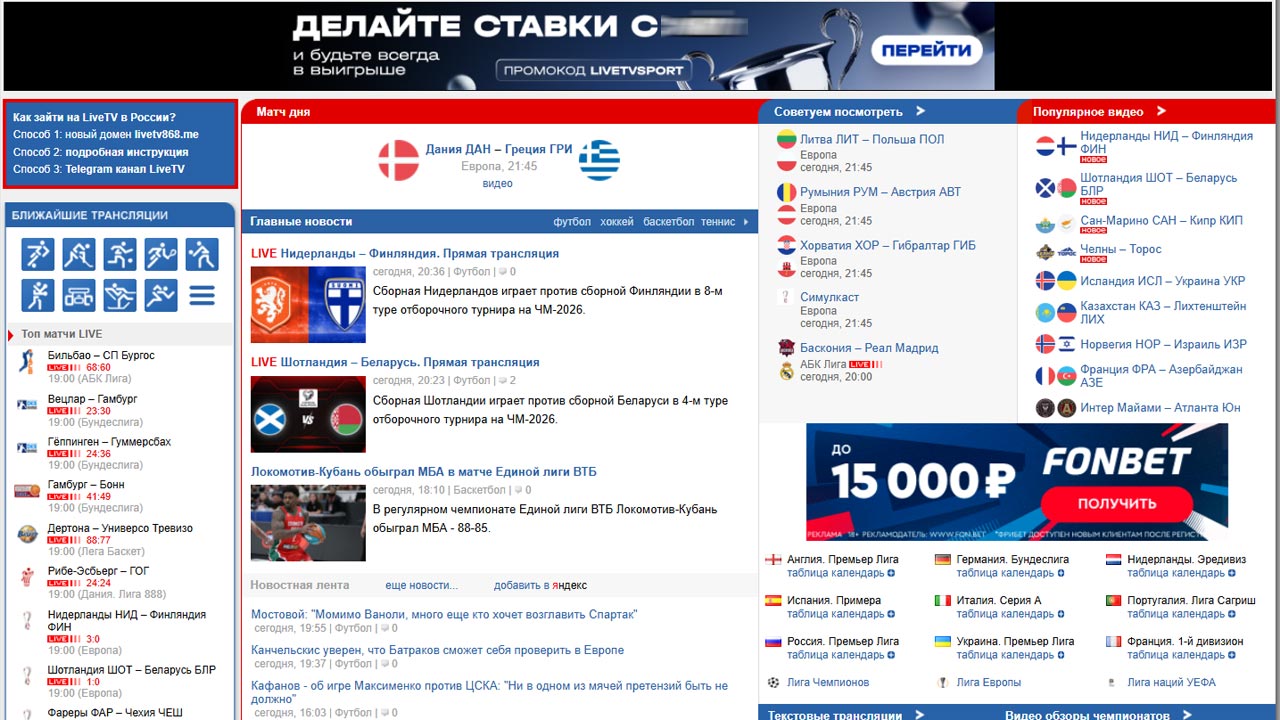
How LiveTV evolved from a link list into a sports navigation layer
- Early phase: access and discoverability
- Expansion phase: denser schedules, more context
- Mobile era: compressed decision-making
- Current role in the viewing stack
LiveTV.sx has always been an aggregator model: it maps upcoming events, opens match-level pages and points users to external sources while keeping score and status visible.
The long-term change is not the core concept but the depth of workflow support for free online sports viewing across multiple competitions and time zones.
Early phase: access and discoverability
In the first years, the platform mainly solved one task: where to find the match quickly. A simple chronological list was the central product value.
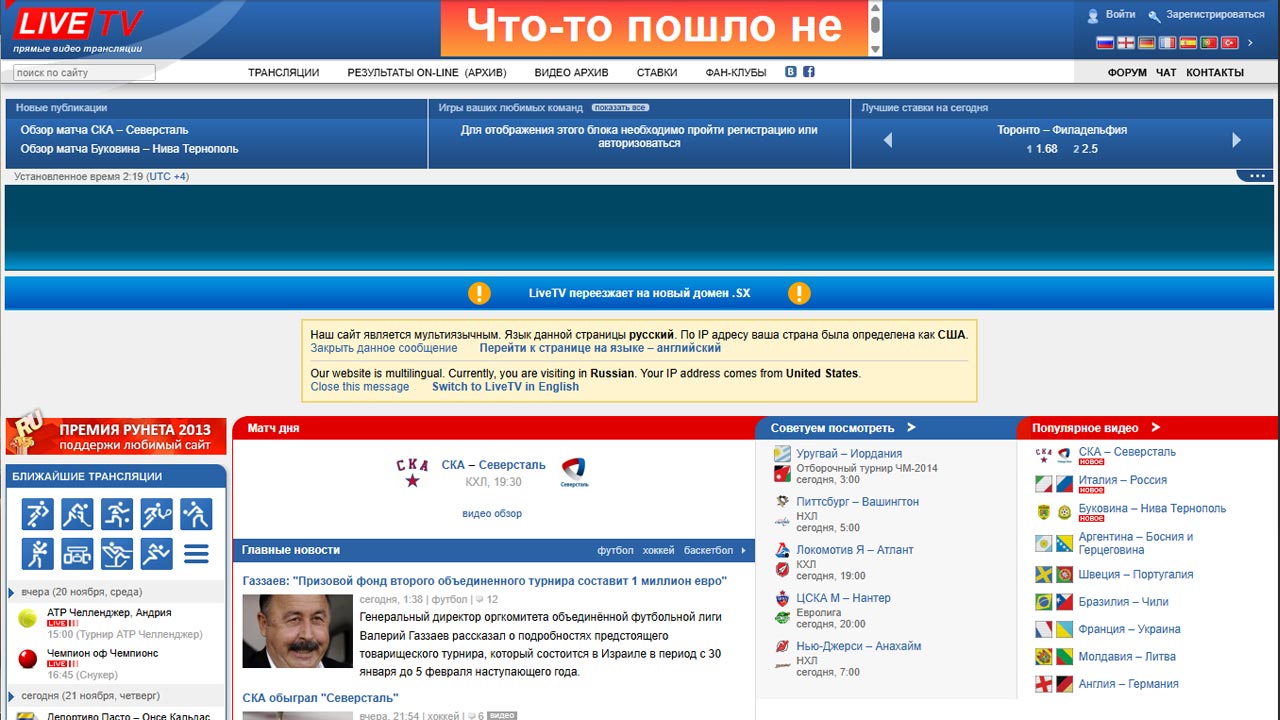
Expansion phase: denser schedules, more context
As coverage widened, users needed better context per event. Match pages became more important because they unified timing, opponent details and alternative external routes.
Mobile era: compressed decision-making
When mobile usage accelerated, interaction shifted towards shorter sessions: check kickoff, confirm status, switch event, repeat. This strengthened second-screen behaviour.
Current role in the viewing stack
Today the service sits between schedule discovery and external playback. It helps users coordinate crowded sports nights, but it is still not a broadcaster and does not provide rights-based guarantees.